

Breaking Barriers: Why Men Should Embrace Home Care and the Statistics Behind Their Role in Household Chores.

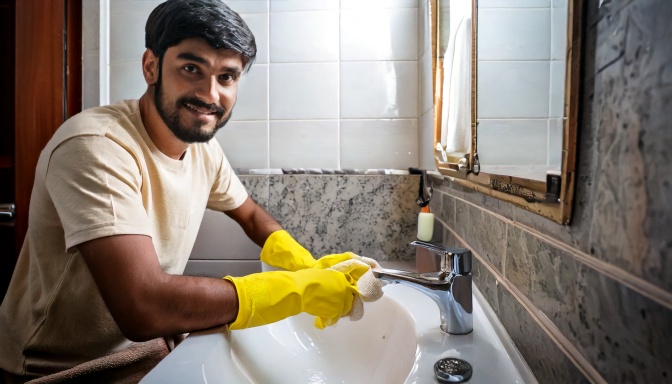
Breaking Barriers: Why Men
Should Embrace Home Care and the Statistics Behind Their Role in Household
Chores.
Breaking Barriers: Why Men Should Embrace Home Care and the Statistics Behind Their Role in Household Chores
The modern household is evolving, with traditional roles being reshaped by changing perspectives on gender equality. Home care, once stereotypically deemed a “woman’s responsibility,” is now becoming a shared duty as men step up to embrace household chores. But there’s still a long way to go in breaking down the barriers to equal participation. Let’s dive into why men should embrace home care and the importance of balancing responsibilities.
- Men’s Role in Home Care: A Shift in Mindset
In recent years, there has been a noticeable shift in how men approach household responsibilities. While societal expectations once discouraged men from participating in home care, many now view it as a sign of partnership and respect within their families.
Research shows that households where chores are evenly split report higher satisfaction levels in relationships. Men’s involvement in cleaning, cooking, and childcare also sets an important example for children, fostering a culture of equality for future generations.
However, despite progress, men often take on fewer household duties compared to women. According to a recent study, women spend 2.3 times more hours on housework than men on average. Changing this statistic requires a collective effort to normalize men’s involvement in home care.
- Men and Household Chores: Why Participation Matters
When men actively contribute to household chores, the benefits extend beyond just a clean home. Shared responsibilities:
- Reduce stress and burnout: Women often face the burden of managing both work and home. Men stepping in can ease this load.
- Strengthen relationships: Equal partnerships create deeper bonds and mutual respect between spouses.
- Challenge outdated norms: Men embracing chores help break stereotypes and redefine masculinity.
It’s also worth noting that gender-neutral household products and tools have made it easier for everyone to take part in home care without stigmatization. Brands that promote inclusivity, such as Mugi, have been encouraging this shift by creating versatile products that cater to all.
- Gender Equality in Housework: A Vision for Balance
Achieving true gender equality starts at home. Sharing chores equally reflects a mutual partnership and shows that all work, whether paid or unpaid, deserves respect. Gender-balanced homes set a precedent for future generations, teaching boys and girls that responsibilities are not defined by gender.
A 2019 global survey revealed that couples who share housework equally are more likely to enjoy long-lasting, harmonious relationships. By taking a proactive role in chores, men not only support their partners but also contribute to a broader movement for gender equality.
- Gender Inequality in Household Chores: The Glaring Gap
Despite progress, gender inequality in household chores persists. In many cultures, ingrained stereotypes still place the burden of home care on women. According to the UN Women Report 2023, women globally perform 76% of unpaid care work, a statistic that highlights the need for cultural and systemic changes.
Factors contributing to this gap include:
- Cultural expectations: Deeply rooted traditions often assign household duties to women.
- Lack of awareness: Many men may not realize the extent of the imbalance.
- Societal stigmas: Men who take on housework are sometimes ridiculed for stepping outside traditional roles.
Closing this gap requires addressing these factors through education, advocacy, and a willingness to embrace change.
Breaking Barriers with Action
To truly break barriers, men must take ownership of their role in home care. Simple steps like cooking meals, doing laundry, or cleaning floors can have a significant impact on family dynamics. Brands like Mugi play a key role in supporting this shift by providing innovative, easy-to-use products that encourage everyone to participate in home care, regardless of gender.
In a world striving for equality, it’s time for men to step up, share responsibilities, and redefine what it means to contribute at home. A balanced home isn’t just cleaner—it’s stronger, happier, and a model for generations to come.
Site: https://www.mugionline.com/
Let’s work together to break barriers and build a future where home care is truly a shared responsibility.