Is Your Kitchen Sponge Dirtier Than a Toilet Seat? (The harsh truth about household cleanliness)

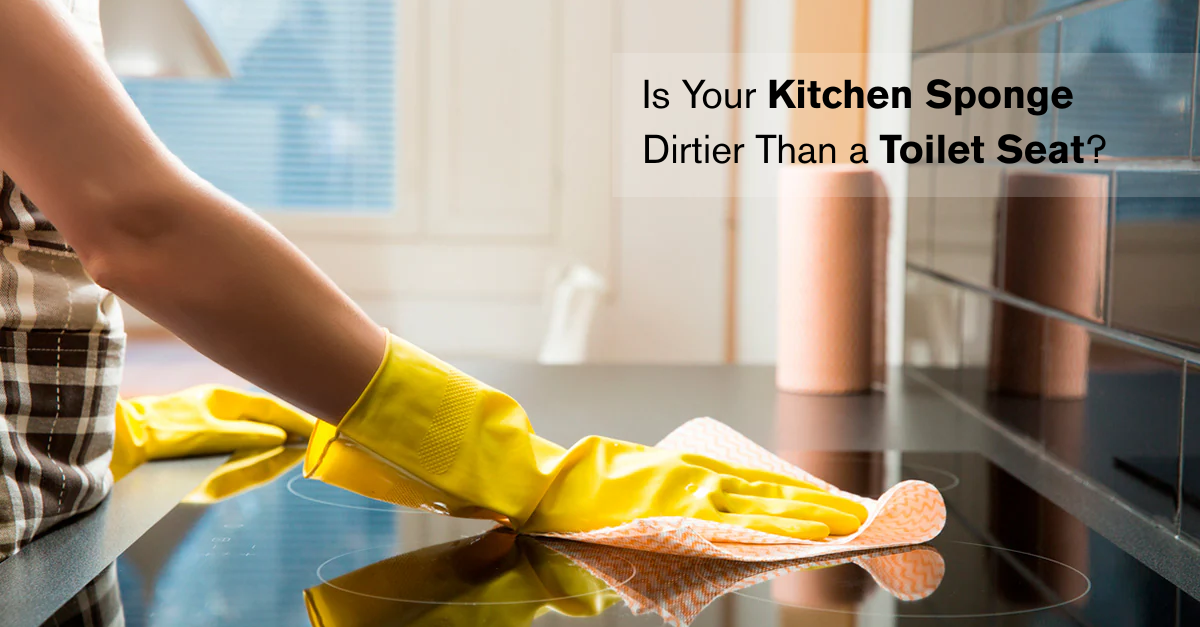
Is Your Kitchen Sponge Dirtier Than a Toilet Seat? The harsh truth about household cleanliness.
When it comes to keeping our homes clean, we put a lot of effort into scrubbing toilets, mopping floors, and wiping down counters. But what if one of the dirtiest items in your home was something that you never thought of?
According to many studies, the kitchen sponge can have more bacteria than a toilet seat. It’s a scary thought, but it hides an important truth.
Cleanliness isn’t just about what looks dirty — it’s about what is dirty, often at a microscopic level.
Why the Kitchen Sponge Is a Bacteria Magnet
The kitchen sponge is the perfect breeding ground for bacteria. It’s constantly exposed to food particles, moisture, and warmth. These are the perfect conditions to promote rapid microbial growth. E. coli, Salmonella, and Staphylococcus can thrive in its porous surface, especially if the sponge isn’t cleaned or replaced regularly.
Unlike a toilet, which is often cleaned with disinfectants and scrubbed routinely, the sponge is almost always overlooked — reused day after day with little more than a rinse.
How It Compares to a Toilet Seat
It may sound shocking, but surfaces like toilet seats are often cleaner because we take care to clean them regularly. Also, toilet seats are non-porous, making it harder for bacteria to take hold and multiply.
A study published in the journal Scientific Reports found that used kitchen sponges contained an incredibly dense population of bacteria — up to 54 billion per cubic centimeter. That’s a lot more than what you find on a toilet seat.
Tips for a Cleaner Kitchen
Maintaining a clean home goes beyond appearances. Here are a few simple practices to keep your kitchen (and your sponge) more sanitary:
- Replace Sponges Regularly: Every 1 to 2 weeks.
- Disinfect Frequently: Soak in vinegar or microwave a damp sponge for one minute to kill germs.
- Switch to Alternatives: Consider using dish brushes or silicone scrubbers, which are less hospitable to bacteria.
- Separate Cleaning Tools: Use different cloths or sponges for dishes, countertops, and spills.
- Keep It Dry: Wring out sponges thoroughly and store them in a dry area between uses. Wash them well and let them dry in the sun.
Cleanliness Beyond the Surface
This surprising comparison between a sponge and a toilet seat is more than just an article. It is a reminder that areas that look clean might still be filled with germs, while others we assume are dirty may actually be safer due to better cleaning habits.
A cleaner home starts with awareness — and sometimes, a fresh sponge.